 Hinahon
When a Customer Brings Up a Past Mistake: What to Say First
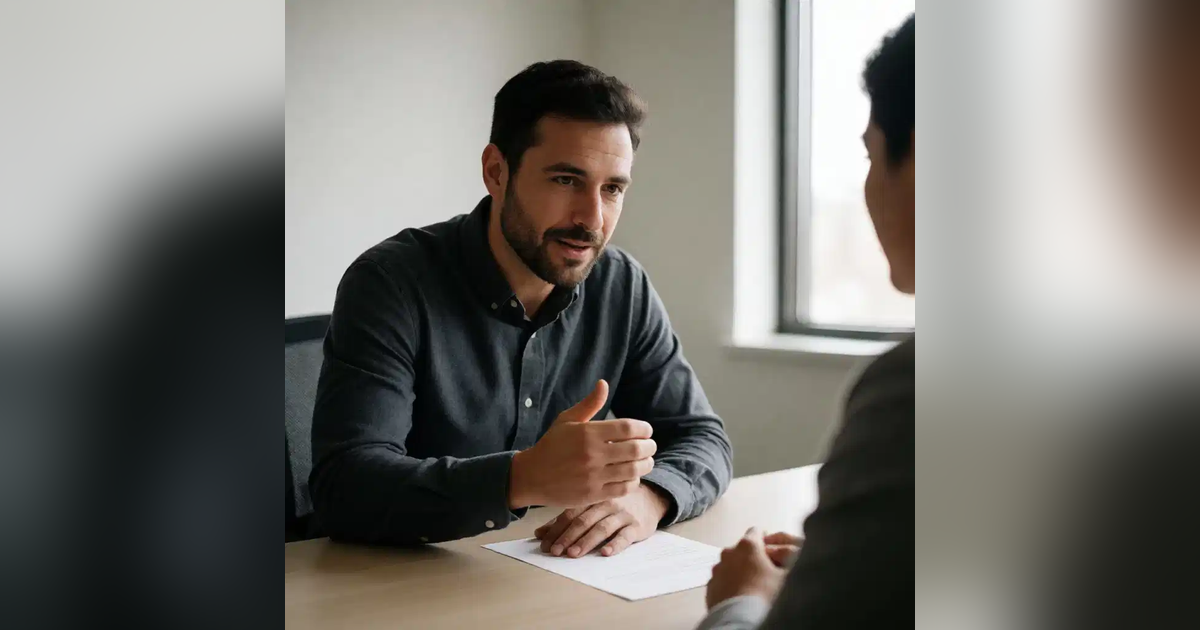
The customer says: "Last time you guys failed to..." or "I've been waiting three weeks and nobody called back." Or they mention a mistake from two years ago you've never even heard of.
Most reps do the same thing in that moment. They jump straight to defending. They explain what happened. They try to move past it fast. And the call gets worse.
Your first response to a past mistake is not an explanation. It is not an apology for the company. It is not moving forward until the customer knows you actually heard them.
That first moment resets the entire call.
When a customer brings up a past mistake
A past mistake is not the same as a normal objection. An objection is about the future ("I'm not interested"). A past mistake is about broken trust. The customer is not deciding whether to work with you. They are deciding whether to hang up and never call back.
This distinction matters because your response has to do two jobs at once. Acknowledge what happened. And rebuild enough trust to move forward.
Why your first response resets the entire call
When a customer feels unheard, they stop listening to content. They are listening for one thing only: proof that you understand what actually bothers them, not what the company thinks should bother them.
If your first response is a defense or an explanation, the customer hears: "You don't understand why I'm actually upset." Now the call is about proving you wrong instead of fixing the problem.
If your first response is genuine acknowledgment, the customer hears: "This person gets it." Now they will listen to what comes next.
The three-part framework: acknowledge, apologize, signal action
This is the structure that works.
Acknowledge: Show you understand the specific situation and why it was frustrating. Not the company's version. Their version. "I see that you've been waiting three weeks without hearing from us. That's not how this should work."
Apologize: Express genuine regret for the impact. Not a corporate statement. Your regret. "I'm sorry that happened."
Signal action: Tell them exactly what you are going to do about it in the next 24 hours or the next five minutes. Not "we'll look into it." You, now. "Here's what I'm going to do."
That is it. Three moves. The customer knows you heard them, you regret the impact, and you are solving it.
The exact phrases that work (and what not to say)
Here is what a repair sounds like.
Customer: "I submitted paperwork two weeks ago and nobody's gotten back to me."
Bad first response: "I apologize for the confusion. We should have reached out. We take this seriously." (You just defended the system instead of acknowledging them.)
Better first response: "I see the paperwork came in two weeks ago and you haven't heard anything. That's frustrating. I'm sorry that happened."
Then you move to action, not explanation.
Bad next move: "We have a lot of submissions and your file might be in queue..." (More explanation, more excuse, the customer thinks you are stalling.)
Better next move: "Here's what I'm going to do. I'm going to check the status right now and call you back within two hours." (You own it. You name the timeline. You are solving it.)
The phrases that work are short and specific. They use their words ("frustrated," "waiting," "never heard back"), not your words ("confusion," "oversight," "in queue"). They move fast. They get to action.
Delivering it with confidence: tone, pacing, and the pause
Most reps rush the acknowledge and apologize moves because they feel awkward. They want to get to the fix. But the speed kills the impact.
Try this: say the acknowledgment, then pause for two full seconds. Let it sit. The pause signals that you meant what you said. It is not filler. It is respect.
Your tone on these three moves should be steady and matter-of-fact, not overly sympathetic. You are not performing regret. You are expressing it. There is a difference. Perform it and they hear a script. Express it and they hear a human.
Pacing: speak a little slower than you normally would. Not theatrical slow. Just slower. It sounds more deliberate. More trustworthy.
Making it automatic through practice
The only way this becomes automatic is repetition before the real call happens. Most reps only practice this moment after they've already blown it on a customer call. That is too late.
You need reps. Real scenario, real objection, real tone of an upset customer, then honest feedback on what you actually said. Not what you meant to say. What came out.
That is what deliberate practice on phone calls does. It burns in the right response so that when the real moment happens, your first words are already decided. You are not frozen. You are not defending. You are solving.
This is not theory. This is the script that works on real calls. It works because it is honest. It works because it is fast. It works because the customer hears a human who understands them, not a company hiding behind explanations.
If you want to run this moment on a real scenario before the stakes are real, Hinahon is built for exactly this. Search Hinahon in the App Store or Google Play, pick a customer service scenario, and get scored on how your first words landed.
FAQ
What if the customer is actually right and we really did mess up?
Apologize specifically and commit to action immediately. "You're right, that's a mistake on our end. Here's what I'm going to do to fix it." Move past acknowledgment to the remedy (credit, replacement, refund, investigation) so the customer knows you're solving it, not defending the company. Responsibility plus action beats any explanation.
Should I apologize even if it's not clear the company was wrong?
Yes, apologize for the impact, not necessarily for fault. "I'm sorry you had that experience" is genuine and honest even when the situation is ambiguous. You can express real regret for how the customer was affected without accepting blame for something unclear. This distinction saves you from false apologies while still rebuilding trust.
What if a customer brings up the same old issue on a follow-up call?
On the first mention, run the full framework. On repeat calls, shift to forward motion: "I know that was frustrating. Here's what I want to focus on today." This signals you heard them the first time and you're committed to moving forward now. Repeat acknowledgment sounds like you weren't listening to your own notes.
Your next call is already better.
Hinahon is live on the App Store and Google Play. Download now, practice hard, and score higher.

